

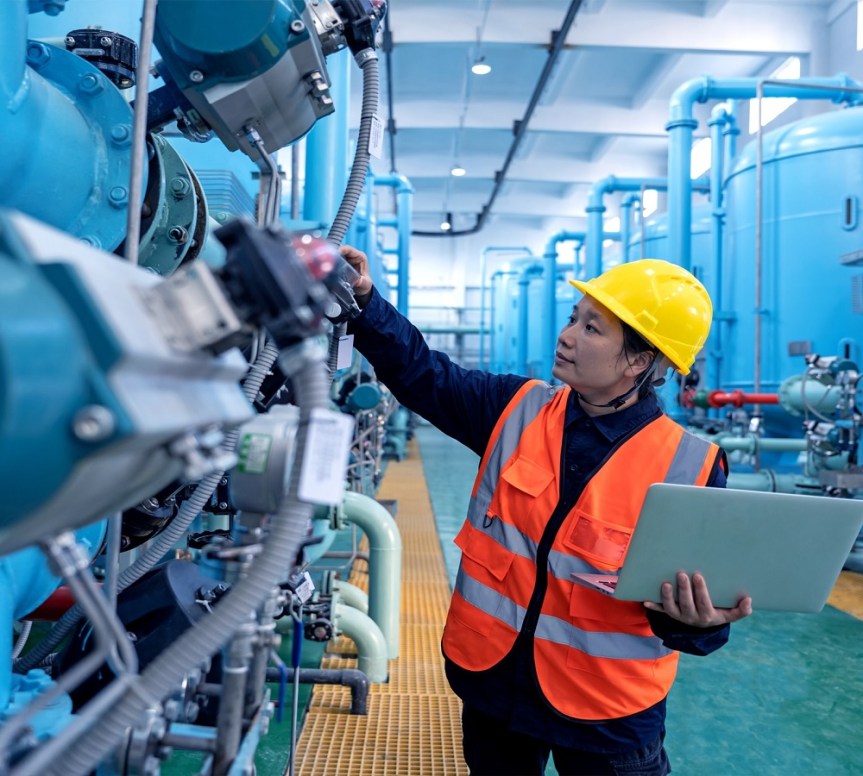
Introduction: The Backbone of Progress
Industries form the lifeblood of modern civilization, driving economies, shaping societies, and influencing nearly every facet of daily life. From the mechanized looms of the Industrial Revolution to the digital architecture of today’s AI-powered enterprises, industries have evolved in remarkable ways. Their journey reflects not just advancements in technology, but shifts in values, labor practices, and environmental consciousness. Understanding the nature, structure, and transformation of industries provides a lens into the future of global development.
The Classification of Industries: A Foundational Framework
Industries are typically classified based on the nature of their operations. This classification helps in organizing the economy and tailoring policies, investments, and educational efforts accordingly.
1. Primary Industries
These industries focus on natural resource extraction and include:
Agriculture: Cultivation of crops and livestock
Fishing: Marine and inland water capture and farming
Forestry: Timber extraction and forest conservation
Mining and Quarrying: Extraction of minerals, oil, and gas
2. Secondary Industries
These involve the transformation of raw materials into finished products. Examples include:
Manufacturing: From automobile assembly to textile production
Construction: Infrastructure, housing, and commercial real estate
3. Tertiary Industries
Also known as the service sector, this category encompasses:
Retail and Wholesale Trade
Banking and Financial Services
Education and Healthcare
Transportation and Tourism
4. Quaternary and Quinary Industries
As economies mature, these higher-level industries gain prominence:
Quaternary: Research, information technology, data analysis
Quinary: Top-level decision-making, policy formation, think tanks, and innovation leadership
Industrial Revolution to Industry 4.0: A Historic Arc
The first industrial revolution (late 18th century) marked the beginning of mechanized production, powered by water and steam. The second brought electricity and mass production in the late 19th and early 20th centuries. The third, beginning in the late 20th century, introduced electronics, IT, and automation.
Today, we are amidst the Fourth Industrial Revolution (Industry 4.0), defined by a fusion of technologies that blur the lines between the physical, digital, and biological spheres. Smart factories, cyber-physical systems, IoT (Internet of Things), AI, and blockchain are at the heart of this transformation. The pace is swift, and the implications are profound.
Globalization and the Changing Industrial Landscape
Globalization has had a profound impact on industries. Borders are no longer barriers but bridges, enabling global supply chains, outsourcing, and foreign direct investment (FDI). While this interconnectedness has lowered production costs and boosted market access, it has also introduced complexities:
Economic Interdependence: A disruption in one region can ripple globally
Cultural Integration: Blending of consumer behaviors and business practices
Labor Shifts: Movement of manufacturing to developing economies, while developed nations focus on R&D and high-value services
Technological Advancements: The Driving Engine
Modern industries are technology-driven. Some of the most influential advancements include:
Artificial Intelligence: Predictive analytics, machine learning in logistics, and smart customer service
Automation and Robotics: Enhancing efficiency and precision in manufacturing
3D Printing: Revolutionizing prototyping, healthcare (prosthetics), and even construction
Sustainable Energy Technologies: Solar, wind, and hydrogen power replacing fossil fuels
Biotechnology: Transforming agriculture, pharmaceuticals, and healthcare industries
These technologies not only increase productivity but also redefine job roles, requiring continuous upskilling and a shift in educational priorities.
The Green Imperative: Sustainable Industry Practices
Sustainability is no longer a corporate buzzword but a necessity. With environmental concerns escalating, industries are expected to adopt eco-friendly practices. Key sustainable trends include:
Circular Economy Models: Reusing and recycling materials to minimize waste
Carbon Footprint Reduction: Emphasis on clean energy and low-emission manufacturing
Ethical Sourcing: Ensuring raw materials are obtained in environmentally and socially responsible ways
Eco-Certifications: Recognitions like LEED (Leadership in Energy and Environmental Design) are becoming industry standards
Consumers increasingly favor brands that prioritize environmental responsibility, making sustainability a competitive advantage as well as a moral obligation.
Workforce Dynamics: Shifting Skillsets and Labor Models
The industrial workforce is undergoing a profound transformation. Traditional roles are giving way to hybrid profiles that blend technical knowledge with adaptability and creativity. Notable shifts include:
Remote Work: Enabled by digital platforms, it reshapes organizational structure and talent acquisition
Gig Economy: Project-based work is on the rise in tech, media, and even logistics
Upskilling and Reskilling: Lifelong learning is essential to remain relevant in a rapidly evolving job market
Diversity and Inclusion: Progressive industries embrace workforce diversity as a catalyst for innovation
Industries and Economic Development: A Symbiotic Relationship
The growth of industries directly influences a nation’s GDP, employment rate, and infrastructural development. Developed countries often exhibit a balanced industrial structure with strong service and quaternary sectors, while developing nations focus on strengthening their manufacturing base. Industrial policies—ranging from subsidies and tax incentives to R&D grants—play a pivotal role in nurturing sectors with high growth potential.
Challenges Facing Modern Industries
Despite their robust growth, industries face numerous challenges:
Supply Chain Disruptions: As seen during the COVID-19 pandemic
Cybersecurity Threats: Growing reliance on digital infrastructure increases vulnerability
Geopolitical Tensions: Trade wars, sanctions, and protectionist policies affect global operations
Climate Change: Extreme weather events disrupt logistics and agriculture-based industries
Regulatory Complexity: Varying international laws and compliance standards
Addressing these challenges requires strategic foresight, innovation, and international collaboration.
Conclusion: The Road Ahead
Industries are far more than economic engines; they are reflections of humanity’s progress, ambition, and adaptability. As we navigate an era of rapid technological evolution and ecological urgency, the future of industries will depend on balance—between growth and sustainability, automation and human labor, innovation and inclusivity.
By fostering responsible practices and forward-thinking leadership, industries can continue to be the cornerstones of prosperity and pillars of a resilient global future.
 Assets Business Blog