

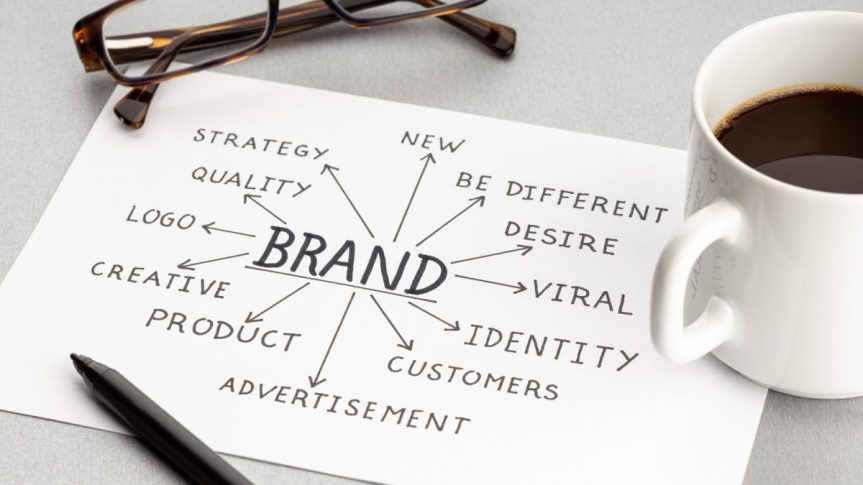
In today’s rapidly evolving business environment, the twin engines of marketing and branding propel companies toward recognition, customer loyalty, and sustained success. Though often spoken of interchangeably, marketing and branding fulfill distinct yet deeply interconnected roles. Understanding their nuances and how to weave them together seamlessly is essential for any organization seeking to make a meaningful impact in the marketplace. This article unpacks the sophisticated relationship between marketing and branding, offering insights into how businesses can harness their combined power to cultivate enduring value.
Distinguishing Marketing from Branding: Foundations of a Cohesive Strategy
Marketing is the dynamic set of strategies and actions aimed at promoting and selling products or services. It involves identifying target audiences, crafting messages tailored to their needs, and utilizing various channels—from digital advertising to public relations—to drive engagement and conversions. Marketing’s primary goal is transactional: to generate demand and guide consumers toward a purchase decision.
Branding, by contrast, represents the deeper essence of a company. It is the deliberate creation of a unique identity encompassing a brand’s mission, values, personality, and emotional resonance. While marketing communicates, branding connects on a psychological and emotional level. Branding answers the fundamental question, “Why should customers care?”—building trust and loyalty over time.
The Symbiotic Dance: How Marketing and Branding Interact
Marketing and branding are most potent when they function in harmony. A well-established brand identity provides the guiding principles for marketing strategies, ensuring consistency in tone, style, and messaging. Without this foundation, marketing campaigns may lack cohesion, risking diluted impact and confusing customers.
Conversely, marketing brings the brand to life by executing campaigns that embody the brand’s core values and personality. Effective marketing channels the brand’s narrative to relevant audiences, creating touchpoints that resonate and inspire action. For example, a technology firm known for innovation will craft marketing initiatives that highlight cutting-edge features, supported by sleek, forward-thinking branding elements.
Crafting a Powerful Brand: Core Pillars to Consider
Building a compelling brand requires a multi-dimensional approach that harmonizes emotional and visual elements. Key components include:
-
Brand Purpose: A clear statement defining the brand’s reason for existence beyond profit, anchoring all decisions.
-
Core Values: Principles that shape company culture and guide behavior internally and externally.
-
Brand Personality: Human-like traits—such as trustworthy, sophisticated, or adventurous—that make the brand relatable.
-
Visual Identity: Logos, color schemes, typography, and design motifs that foster immediate recognition.
-
Brand Voice and Messaging: Consistent communication style that reflects the brand’s personality and values.
These pillars serve as a blueprint, ensuring every interaction feels authentic and aligned with the brand’s overarching story.
Marketing Strategies that Amplify Branding Efforts
Once a brand foundation is solidified, marketing acts as the amplifier, bringing the brand’s promise to the forefront through strategic initiatives:
-
Content Marketing: Producing insightful, engaging content that reflects the brand’s expertise and ethos while educating or entertaining the audience.
-
Social Media Engagement: Building communities through authentic, two-way communication that humanizes the brand and fosters loyalty.
-
Influencer Collaborations: Partnering with individuals who embody the brand’s values, extending reach with credibility.
-
Experiential Marketing: Creating memorable, immersive experiences that physically or emotionally connect consumers with the brand.
-
Data-Driven Personalization: Leveraging analytics to tailor messaging, maximizing relevance and effectiveness.
These approaches ensure the brand’s essence is consistently communicated and reinforced across diverse channels.
The Imperative of Authenticity and Consistency
In an era saturated with information and choices, authenticity has emerged as a critical differentiator. Consumers gravitate toward brands that are genuine, transparent, and reflective of their stated values. Authenticity breeds trust, transforming casual buyers into loyal advocates.
Consistency, meanwhile, is the backbone of brand reliability. Whether through marketing materials, customer service interactions, or product design, uniformity in presentation and experience reassures customers and solidifies brand equity. Discrepancies between a brand’s message and customer experience can undermine confidence and weaken relationships.
Navigating Challenges and Embracing Trends
The convergence of digital innovation and changing consumer expectations poses both opportunities and challenges for marketing and branding:
-
Purpose-Driven Branding: Modern consumers demand brands that contribute positively to society, compelling companies to integrate social responsibility authentically.
-
Interactive and Immersive Technologies: Augmented reality, virtual reality, and gamification offer novel avenues to engage audiences deeply.
-
Artificial Intelligence: AI enhances personalization and efficiency but requires careful stewardship to maintain genuine human connection.
-
Sustainability and Transparency: Eco-conscious practices and open communication resonate strongly, especially with younger demographics.
-
Omnichannel Integration: Delivering seamless experiences across physical and digital touchpoints is vital for modern brand consistency.
Adapting to these trends without losing sight of foundational branding principles will determine future success.
Conclusion: Orchestrating Marketing and Branding for Enduring Impact
Marketing and branding are not merely business activities; they are strategic art forms that shape how a company is perceived, valued, and remembered. Branding builds the emotional framework and identity that differentiate a business in a crowded market, while marketing activates that identity, delivering compelling narratives that engage and convert.
Together, they create a symbiotic relationship essential for cultivating trust, fostering loyalty, and driving growth. Businesses that embrace this interplay with clarity and creativity will not only survive but thrive—leaving an indelible mark on their audiences and the marketplace at large.
 Assets Business Blog