

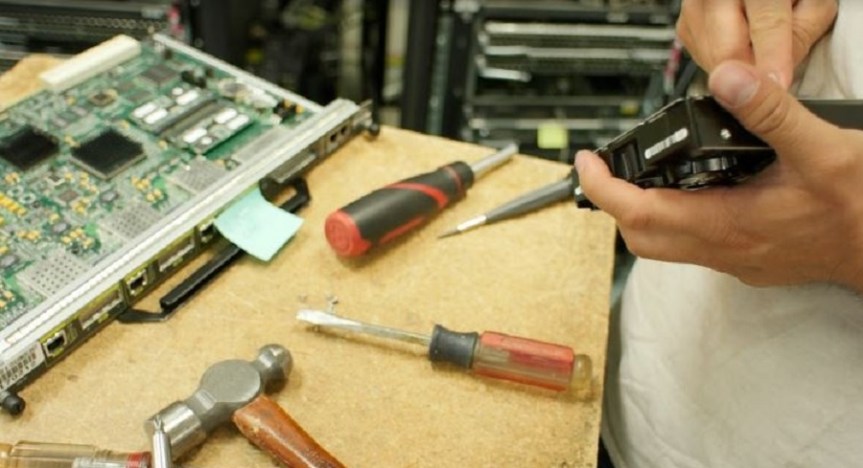
Introduction: A New Era of Human Empowerment
Technology is no longer a niche domain relegated to laboratories or Silicon Valley offices. It has become the bloodstream of modern civilization—an omnipresent force quietly transforming the way we live, work, and think. From intelligent automation to personal productivity tools, the landscape of technological innovation is expanding faster than ever before. In this article, we delve into the nuanced world of technology and tools, exploring their influence across various sectors, their subtle power in shaping human behavior, and the challenges they invite.
The Rise of Intelligent Tools
At the heart of modern progress is a class of smart tools powered by artificial intelligence, machine learning, and data analytics. These are not mere gadgets; they are sophisticated systems designed to enhance decision-making, eliminate inefficiencies, and unlock creative potential.
AI-Powered Productivity Tools
The modern workplace is becoming increasingly digital, and tools like Microsoft Copilot, Notion AI, and Grammarly have revolutionized productivity. These applications do more than assist—they anticipate. Whether it’s summarizing meetings, generating content drafts, or refining emails for tone and clarity, AI-infused platforms reduce cognitive load and enhance output quality.
Automation and Workflow Integration
Tools like Zapier, Make (formerly Integromat), and Microsoft Power Automate enable users to build workflows without writing a single line of code. By connecting disparate software systems, these tools automate repetitive tasks such as data entry, file organization, and report generation—freeing up time for strategic thinking.
Transforming Traditional Sectors
While consumer tech often steals the spotlight, the real revolution is happening in traditionally manual industries.
Agriculture and Food Tech
Precision agriculture tools use GPS, drones, and real-time soil analytics to help farmers manage resources efficiently. Companies like John Deere are incorporating AI into tractors, enabling self-driving capabilities and crop pattern analysis. The result? Increased yields, reduced waste, and more sustainable farming practices.
Healthcare’s Digital Awakening
From wearable biometric devices to robotic surgical systems, healthcare is undergoing a digital renaissance. Tools like AI diagnostics (e.g., Google’s DeepMind or IBM Watson Health) can now analyze imaging data with accuracy on par with top radiologists. Meanwhile, telemedicine platforms have extended healthcare access to millions in remote areas.
Construction and Smart Infrastructure
Modern construction sites are equipped with drones for surveying, 3D printers for modular building, and augmented reality (AR) for design visualization. Tools like Procore and BIM 360 allow for real-time collaboration among architects, engineers, and contractors—leading to faster, safer, and more efficient project delivery.
The Silent Revolution in Daily Life
While enterprise-grade tools drive industry-wide change, the technologies in our homes and hands quietly rewire our routines and expectations.
Smart Homes and IoT
With smart thermostats, voice assistants, and connected appliances, homes today respond intuitively to our needs. Tools like Google Nest and Amazon Alexa have made controlling lighting, temperature, and even grocery shopping as simple as speaking a command.
Personal Finance & Investing Tools
Robo-advisors such as Betterment or Wealthfront, along with budgeting apps like YNAB (You Need A Budget) and Mint, empower individuals to take control of their finances. These platforms simplify complex financial planning tasks, making informed investing accessible to everyday users.
Education and Skill Development
Platforms like Coursera, Khan Academy, and Duolingo are more than educational websites—they’re tools that democratize learning. AI-driven feedback, adaptive learning paths, and gamified progress trackers offer an experience personalized to each learner’s pace and needs.
The Ethical and Human Side of Technology
As technology becomes more capable, it also becomes more intrusive. It’s vital to balance utility with ethics, ensuring tools serve humanity without eroding essential human values.
Challenges and Considerations
-
Privacy Concerns: Data-hungry tools often operate in gray areas. Clear regulations are needed to protect user data without stifling innovation.
-
Digital Divide: While urban professionals thrive on high-tech tools, rural or underserved populations may be left behind without access to the same resources.
-
Dependency vs. Empowerment: The growing reliance on tech can dull natural skills. For instance, GPS tools, while useful, may reduce our innate spatial awareness.
Looking Ahead: The Tools of Tomorrow
The future of tools lies in convergence—where multiple technologies work together seamlessly to deliver greater value.
Emerging Frontiers
-
Quantum Computing: Soon to break computational barriers in fields like cryptography, materials science, and complex modeling.
-
Brain-Computer Interfaces (BCIs): Companies like Neuralink aim to blur the line between thought and action, allowing humans to control devices with their minds.
-
Edge AI and 6G: These will bring real-time intelligence to devices without relying heavily on cloud servers, enhancing speed and security.
Design with Purpose
The next wave of tool design will be defined not just by functionality, but by intentionality. Tools must be built with human-centered design principles, ensuring they uplift rather than overwhelm, simplify rather than complicate.
Conclusion: Mastering the Tools That Shape Us
Technology and tools, at their best, are extensions of human will and creativity. They grant us leverage—amplifying our capabilities, enriching our experiences, and broadening our horizons. But with that power comes the responsibility to choose wisely, to remain aware, and to ensure that in embracing machines, we never forget what it means to be human.
In a world brimming with innovation, the challenge is no longer acquiring tools—it is mastering them with discernment, grace, and purpose.
 Assets Business Blog