

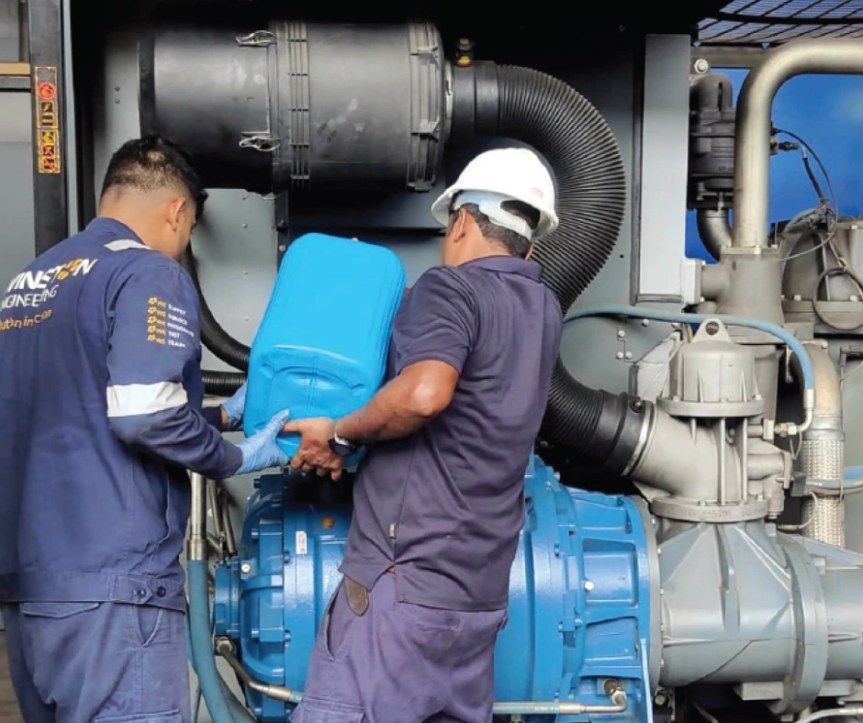
Air compressors are often treated as a commodity purchase, with businesses assuming any unit of roughly the right size will do the job adequately regardless of the specific application it needs to support. In practice, the right compressor type, capacity, and air quality specification vary considerably between a workshop running pneumatic tools and a facility requiring oil-free air for sensitive processes. Reviewing singapore air compressor before purchasing clarifies what actually needs to be specified correctly.
Types of Air Compressors Available
Options include reciprocating piston compressors suited to intermittent use, rotary screw compressors built for continuous industrial demand, and oil-free compressors required where air purity matters, such as in food processing or certain lab applications. Matching the compressor type to the actual duty cycle and air quality requirement avoids both underperformance and unnecessary overspending on capability the application does not need. Portable compressors also exist for site work or temporary setups, though these trade capacity and durability for mobility.
Sizing a Compressor to Actual Demand
Undersizing a compressor forces it to run near capacity constantly, shortening its working life and increasing energy costs, while oversizing wastes capital and can actually reduce efficiency due to excessive cycling. Calculating actual air demand across all connected equipment, including any future expansion plans, produces a more accurate sizing decision than estimating based on a single piece of equipment alone. A supplier experienced with similar facilities can often spot demand patterns that a first-time buyer would not think to measure.
Compressed Air Quality Requirements by Industry
Different industries require different levels of air purity, with food and pharmaceutical applications often needing oil-free, moisture-controlled air, while general workshop use tolerates a lower specification without any operational impact. Specifying air quality correctly from the outset avoids either an expensive over-specification or a compressor that contaminates a sensitive process. Air quality testing at regular intervals confirms the system continues to perform to the specification it was originally designed for.
Avoiding Common First-Purchase Mistakes
Reviewing singapore air compressor alongside a facility’s specific requirements helps avoid common procurement mistakes, particularly around underestimating installation and running costs beyond the initial purchase price. This is especially relevant for a business purchasing industrial equipment for the first time.
Installation Requirements and Space Planning
A compressor installation needs adequate ventilation, a stable and level foundation, and sufficient clearance for maintenance access, along with consideration of noise levels if the unit will be located near occupied work areas. Planning for these requirements before delivery avoids a situation where the chosen location turns out to be unsuitable once the equipment arrives. A dedicated plant room, where space allows, generally simplifies both ventilation and future maintenance access compared with a unit squeezed into a shared work area.
Energy Efficiency and Running Costs
Compressed air is one of the more expensive forms of energy to generate in an industrial setting, making energy efficiency a significant factor in total cost of ownership rather than a secondary consideration after the purchase price. Variable-speed drive compressors, while carrying a higher upfront cost, often deliver meaningful energy savings in an application with fluctuating demand. Leak detection surveys on the surrounding piping network can also reveal wasted capacity that no compressor upgrade alone would fix.
Maintenance Schedules and Downtime Prevention
Regular maintenance, including filter changes, oil checks for lubricated models, and periodic inspection of seals and valves, keeps a compressor running reliably and catches developing issues before they cause an unplanned shutdown. A facility relying on compressed air for critical operations should treat this maintenance schedule as non-negotiable rather than an optional expense. Keeping a maintenance log also helps identify recurring issues that might point to a deeper underlying problem.
Choosing Between Purchase and Rental Options
For a business with temporary or seasonal compressed air needs, renting equipment can be more cost-effective than purchasing outright, while a facility with consistent, ongoing demand generally benefits more from ownership over the equipment’s working life. Assessing actual usage patterns honestly helps determine which approach suits a specific business better. A short-term rental also allows a business to trial a specific model before committing to an outright purchase decision.
Where Compressed Air Meets Lab Operations
Facilities that combine industrial operations with an on-site testing or quality control function should also consider how compressed air needs intersect with medical labs, since some analytical equipment depends on a compatible compressed air supply. Planning both requirements together avoids a mismatch discovered only after both systems are installed separately.
Choosing the Right System With Confidence
Choosing the right air compressor solution comes down to an honest assessment of actual air demand, required air quality, and the total cost of ownership over the equipment’s working life, rather than treating the decision as a simple commodity purchase. Getting a proper site assessment from a knowledgeable supplier before committing to a specific model ensures the compressor matches what the facility actually needs. A well-matched system, chosen this way, delivers reliable performance without unnecessary running costs.

